Googlebook at $899: What a Gemini Laptop Adds to Your AI Bill
Googlebook costs $899 and ships in October with Gemini built in. Here is what a Gemini-first laptop changes about the AI subscriptions you already pay.
Searches for “googlebook” ran at 135,000 a month in the US before Google had even shipped one. On September 21, 2026 the company opened preorders at $899 and gave a full spec sheet, with the consumer launch set for October. That volume is not idle curiosity. It is a lot of people deciding whether their next laptop should be chosen around an AI assistant.
For anyone already paying for ChatGPT Pro, Claude Max, Cursor and API inference, the interesting question is not what the Googlebook does. It is what the Googlebook assumes you will stop paying for.
What Googlebook actually is
Googlebook is an Android laptop, not a Chromebook. It runs Android 17 with a desktop-class Chrome browser, a real Files app, and a dock centered on the Google logo. Sign in and your phone’s saved passwords, Wi-Fi networks and messages appear on the machine: the pitch is explicitly aimed at people who own an Android phone.
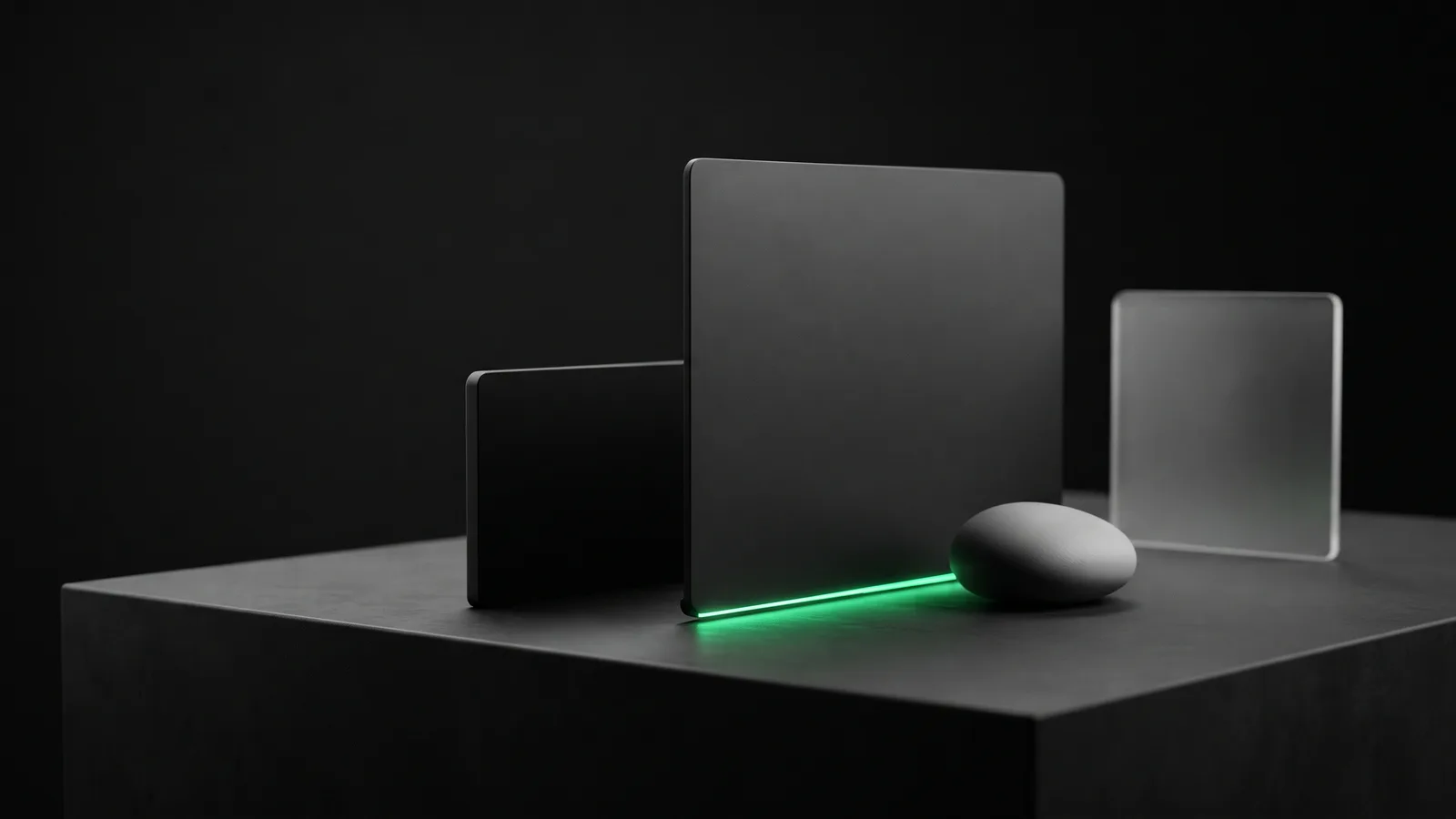
The hardware baseline is unusually high for the category. Five flagship models ship at launch, all with Intel Core Ultra Series 3 or Snapdragon X Elite chips and NPUs rated above 40 TOPS, at least 16 GB of RAM with 32 GB variants, touchscreens up to 2.8K OLED, and 10 years of automatic updates with quarterly feature drops. The Acer Googlebook 14 starts at $899. A Glowbar on the lid lights up in Google colors when you open it.
On the software side, Gemini is the operating premise rather than an app you install. Magic Pointer and a wiggle gesture summon Gemini mid-task, Rambler handles dictation the way it does on Pixel 11, and Create My Widget lets you describe a desktop widget in plain language. Gemini sits in a side panel in Chrome.
The detail that matters most to a TokenKarma reader is buried in the developer section. Google built an Antigravity app for Googlebooks with a native UI and Linux access, and you can install the Linux version of Antigravity alongside Claude Code and OpenAI’s Codex. A Level 5 pKVM hypervisor provides the isolated Linux environment with full terminal access, which Google says is there so you can “execute autonomous agents” safely.
That is a machine designed to run every vendor’s coding agent at once.

googlebook price vs the subscriptions around it
Here is the arithmetic Google does not print on the preorder page.
A Googlebook at $899 is a one-time cost. The AI stack it is meant to host is not. A heavy user comparing plans in 2026 is often carrying a ChatGPT Pro subscription, a Claude Max tier, a Cursor seat, and metered API spend on top. On an amortized basis, the annual subscriptions outrun the laptop in the first year or two, and they keep billing after the hardware is paid off.
Google’s incentive is straightforward. Android 17 and the Googlebook explicitly support running competitor agents, because a laptop that can run everything is a laptop that wins the sale. The subscription revenue underneath that decision is where the real competition lives, and Googlebook gives Google a first-party Gemini surface on hardware you use eight hours a day.
Search volume for “google ai plus” sits at 22,200 a month with LOW competition, and “gemini subscription” pulls 4,400. The bundle mechanics are already the question people ask. Expect the Googlebook to become Google’s most effective Gemini funnel, the same way a bundled browser once decided default search.
Why an ai laptop changes your cost math
Buying a laptop because it is good at one assistant is a different decision from buying a laptop because it is a good laptop that happens to run all of them.
The first framing locks you into a roadmap. If Gemini moves a feature behind a higher tier, or changes what counts against a quota, your hardware now carries a soft subsidy toward that tier. The laptop still works, but the value you paid for gets renegotiated by the vendor.
The second framing treats hardware as neutral capacity. The Googlebook’s pKVM Linux environment and its Antigravity plus Claude Code plus Codex support make it a genuinely neutral place to run agentic workloads. That is the more useful lens for a heavy user: buy the machine for the isolation and the specs, then let the per-tool costs compete on their own merits.
The same logic applies to the pattern of the last few months. Hardware is being bundled with assistance everywhere: Pixel with Gemini, Googlebook with Gemini, Meta’s Muse shipped as the default assistant on the platform. Each bundle makes one assistant feel free while quietly making the others feel like add-ons.

What to actually do before October
Track the bundle, not the banner. When a device advertises an assistant, find out what happens to that assistant at the end of the promotional period, and whether any discount is contingent on a subscription tier you would not otherwise buy.
Keep a second provider key warm. The Googlebook is a reminder that a laptop can run every agent simultaneously. Treat the ability to switch as a feature you own, not a vendor’s generosity.
Separate hardware amortization from subscription burn. A $899 laptop over three years is about $25 a month. That number belongs in a different column from your recurring AI spend. Mixing them hides which part of your stack is actually growing.
Itemize by surface. Chat subscription, coding sessions, API inference and agent execution time each have different economics and different limits. A machine built to run autonomous agents will push spend toward the execution-time line, which is exactly the surface that produced OpenAI’s September overbilling incident for Agent API containers.
What Googlebook does not tell you
There is no announced Gemini subscription bundled with the $899 preorder, and Google has not published month-to-month AI costs by device. A year of Nvidia GeForce Now is included, which is a gaming perk rather than an AI one. Treat any “free Gemini with Googlebook” claim as unconfirmed until October.
The launch is the beginning of the pricing question, not the answer. If you are currently paying for three assistants and considering the fourth, the useful move is to measure what each one costs you per finished task before the preorder window closes. The hardware decision is easy. The subscription it drags along is the one that compounds.
The Googlebook lands in October. Your next invoice lands sooner.
Now available
Stop guessing your AI limits
The Mac app and web dashboard watch your Claude, ChatGPT, Gemini and more, and warn you before quotas hit.