Cursor Agent Swarms: Why Multi-Model Orchestration Can Cut Your AI Coding Costs by 8x
Cursor's agent swarm built SQLite from scratch in Rust at costs from $1,339 to $10,565. The 8x gap comes from model orchestration choices heavy users must understand.
The 8x Cost Gap Nobody Is Talking About
On July 20, Cursor published the results of an experiment that every heavy AI user needs to study. They tasked two versions of their agent swarm system with building SQLite from scratch in Rust, using only the 835-page SQLite documentation. No source code, no test suites, no shortcuts.
The result: both old and new swarms passed 100% of the SQL test suite. But the costs varied by a factor of 8.
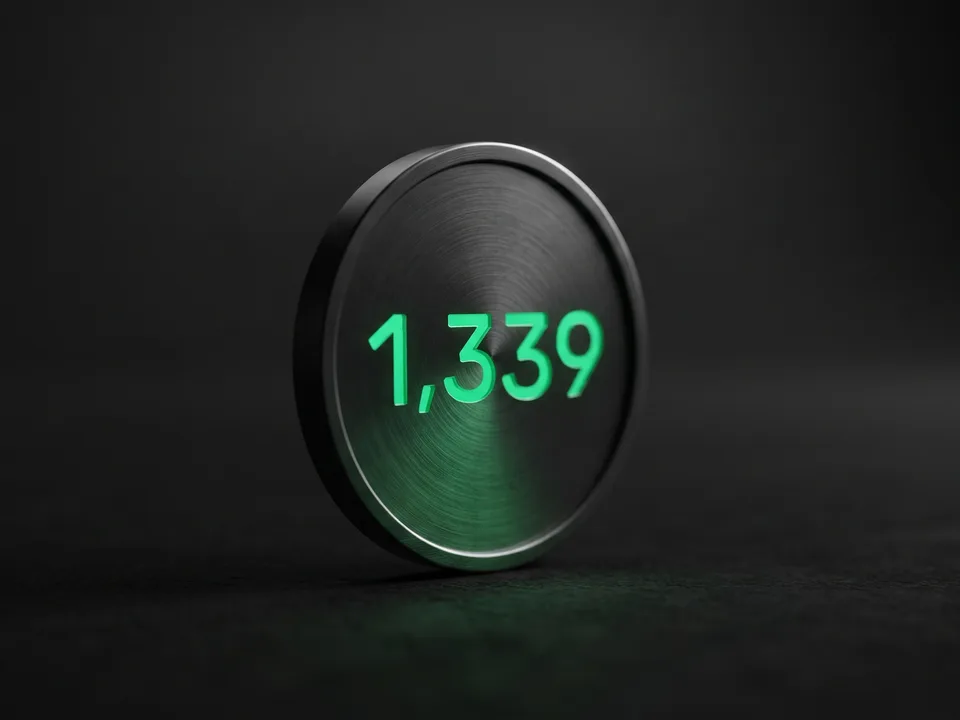
The most expensive configuration (GPT-5.5 as both planner and worker) cost $10,565. The cheapest (Opus 4.8 as planner, Composer 2.5 as worker) cost $1,339. Same output, same quality, same task. The only difference was how the models were orchestrated.
For heavy AI users spending $300 to $5,000 per month on API costs, this is the single most important lesson of 2026: model orchestration matters more than model selection.
What the Cursor Swarm Experiment Actually Found
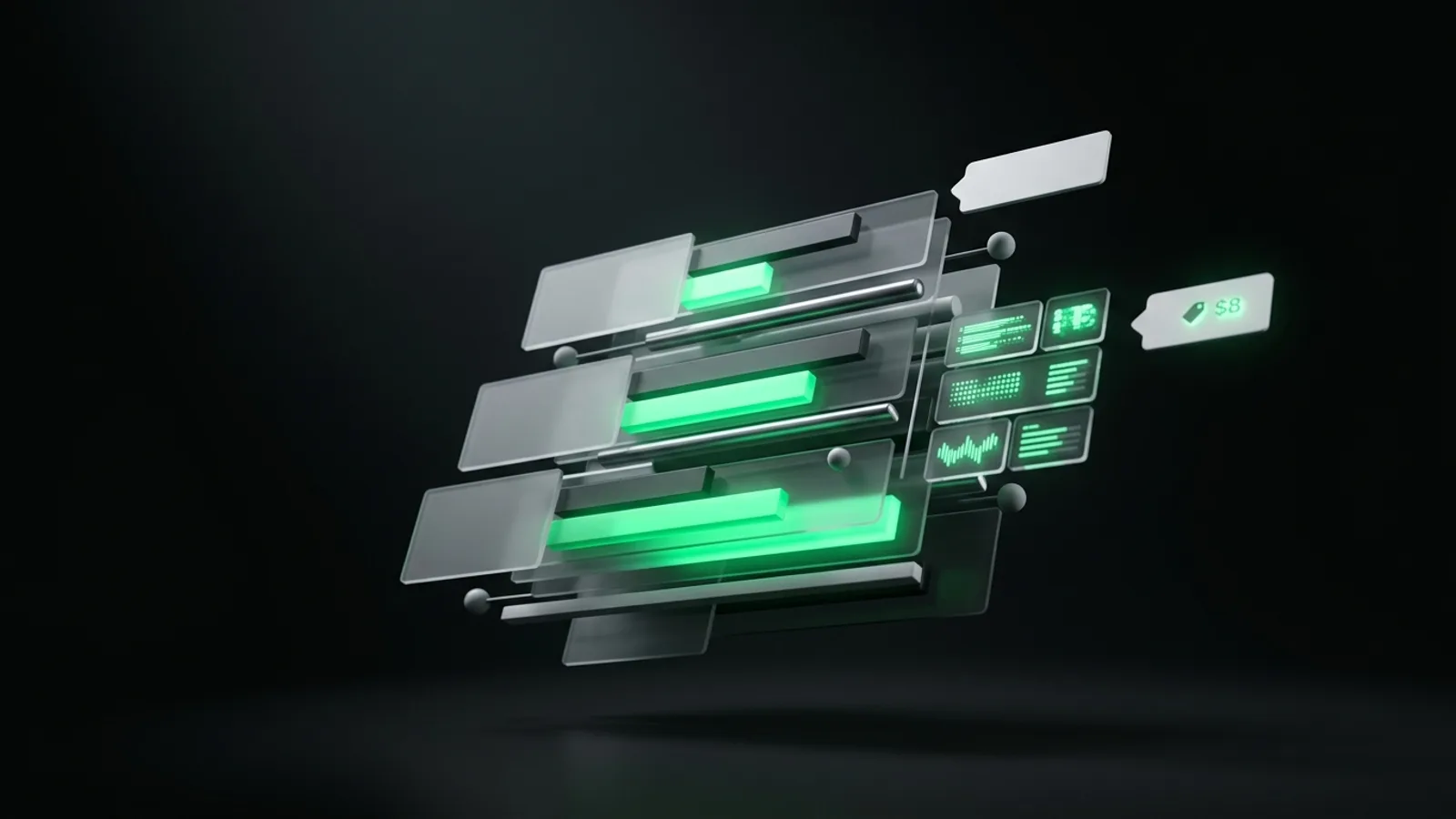
Cursor’s agent swarm uses a planner-worker architecture. A frontier model acts as the planner: it decomposes the task, makes design decisions, and writes detailed instructions. Cheaper models act as workers: they execute those instructions.
The experiment tested four configurations:
- GPT-5.5 only (both planner and worker): $10,565
- Fable 5 planner + Composer 2.5 worker: $2,450
- Grok 4.5 only: $2,900
- Opus 4.8 planner + Composer 2.5 worker: $1,339
Every configuration reached similar quality. The new harness passed the full test suite in every case. But the cost difference between the best and worst setup was 7.9x.
The key insight: frontier intelligence is only needed in specific moments. Task decomposition, design decisions, and certain architectural trade-offs genuinely require a top-tier model. But once the planner has collapsed ambiguity into a detailed instruction set, cheaper models can execute just as effectively.
In the Opus 4.8 hybrid run, the planner produced a small fraction of the total tokens but accounted for roughly two-thirds of the cost. The worker fleet handled the vast majority of tokens for the remaining third of the cost. This is the ideal cost profile: expensive tokens only where they add value, cheap tokens for the bulk of the work.
Why the Old Swarm Was 8x More Expensive

The old swarm suffered from three coordination failures that directly inflated token costs:
Split-brain planning. Multiple planners duplicated each other’s work. The old run produced 54 Rust crates, including three separate SQL packages. The new run settled on nine crates early and never added another. Duplicate work means duplicate tokens.
Merge conflict cascades. The old swarm accumulated over 70,000 merge conflicts before Cursor paused it. Every conflict required resolution by an agent, meaning more API calls. The new system logged fewer than 1,000 conflicts over four hours. One file alone in the old swarm collected 7,771 conflicts, touched by 1,173 different agents. The new system’s most contested file saw 47 conflicts total.
Context bloat. When a single agent handles an entire task, it must hold the full decomposition, its current position, and the wider goal in context. This drives up token counts on every call. The planner-worker separation means planners stay at a high level while workers operate with focused, narrow context. The result: the new swarm implemented the entire SQLite engine in 9,908 lines of Rust code, while the old swarm needed 64,305 lines for the same functionality.
What This Means for Heavy AI Users
The Cursor experiment confirms what tokenKarma users have been tracking for months: the cheapest model is rarely the cheapest total solution, and the most capable model is rarely worth using for everything.
Three concrete takeaways:
Build model routing into your workflows. Not every subtask needs Claude Opus 4.8 or GPT-5.6 Sol. Identify the 10-20% of calls that genuinely benefit from frontier intelligence and route the rest to cheaper models. The Cursor data suggests savings of 60-80% are realistic for agentic coding tasks.
Watch for coordination overhead. Agent swarms and multi-step chains multiply token costs through context carry-over, duplicate work, and error recovery. A task that costs $5 in a single prompt can cost $50 when decomposed across five agents if the coordination isn’t tight.
The frontier model gap is narrowing. The Cursor experiment used Composer 2.5 (a mid-range model) as the worker and got identical results to GPT-5.5. Open-weight models from Kimi K3 and Qwen 3.8 are approaching frontier capability at a fraction of the inference cost. The more options you have at the worker level, the cheaper your average token becomes.
The Bigger Picture: Agent Swarms Change the Cost Calculus
Cursor’s post frames this as an engineering achievement, and it is. The new swarm peaks at around 1,000 commits per second, up from 1,000 commits per hour in the old system. They built a custom version control system to handle the throughput.
But for heavy AI users, the economic insight overshadows the technical one. The cost of agent swarms can be modeled as:
Total cost = (frontier planner cost) + (cheap worker cost x volume) + (coordination overhead)
The frontier planner cost is fixed and small. The cheap worker cost scales with task size. The coordination overhead is where most teams bleed money.
Cursor’s new harness reduced coordination overhead by an order of magnitude. Better merge resolution, automatic file decomposition, shared design docs that prevent duplicate work, and a field guide system that caches learnings across runs. Every one of these features directly reduces the token count per unit of useful output.
How to Apply This Today
You don’t need Cursor’s custom VCS to benefit from these principles. Here is what every heavy AI user can do right now:
Use provider-level routing. tokenKarma supports routing different subtasks to different providers. Use Opus 4.8 or GPT-5.6 Sol for architecture decisions and code review. Route implementation tasks to Sonnet 5 or Composer 2.5. Our users report 40-60% savings with no quality loss.
Measure your coordination tax. Run a simple audit: for every complex task, compare the total tokens consumed versus the tokens in the final output. If your ratio exceeds 10:1, coordination overhead is eating your budget. The Cursor experiment achieved roughly 6.5:1 in the worst case and far better in the optimized case.
Watch the frontier model landscape. Kimi K3, Qwen 3.8, and the open-weight ecosystem are creating a buyer’s market for inference. The more cheap-but-capable models are available, the more aggressively you can split planner and worker roles.
The Bottom Line
The Cursor agent swarm experiment proves a point that has been theoretical until now: model orchestration is the primary lever for cost control in 2026.
The difference between a $1,339 run and a $10,565 run was not the models themselves. Both used frontier models. The difference was how the models were coordinated, how context was managed, and which model did which job.
Heavy AI users who adopt a planner-worker mindset, invest in coordination hygiene, and route tasks to the right model for the right subtask will consistently spend less than those who default to a single frontier model for everything.
The 8x gap is real. Whether you capture it as savings or waste it on overhead is entirely up to your orchestration strategy.
Now available
Stop guessing your AI limits
The Mac app and web dashboard watch your Claude, ChatGPT, Gemini and more, and warn you before quotas hit.