Meta's Muse Hands Heavy AI Users a 100M-Token Free Tier
Meta's Muse personal agent ships with up to 100M free tokens a week on a secure VM that books, pays and audits subscriptions. How to re-price your assistant stack.
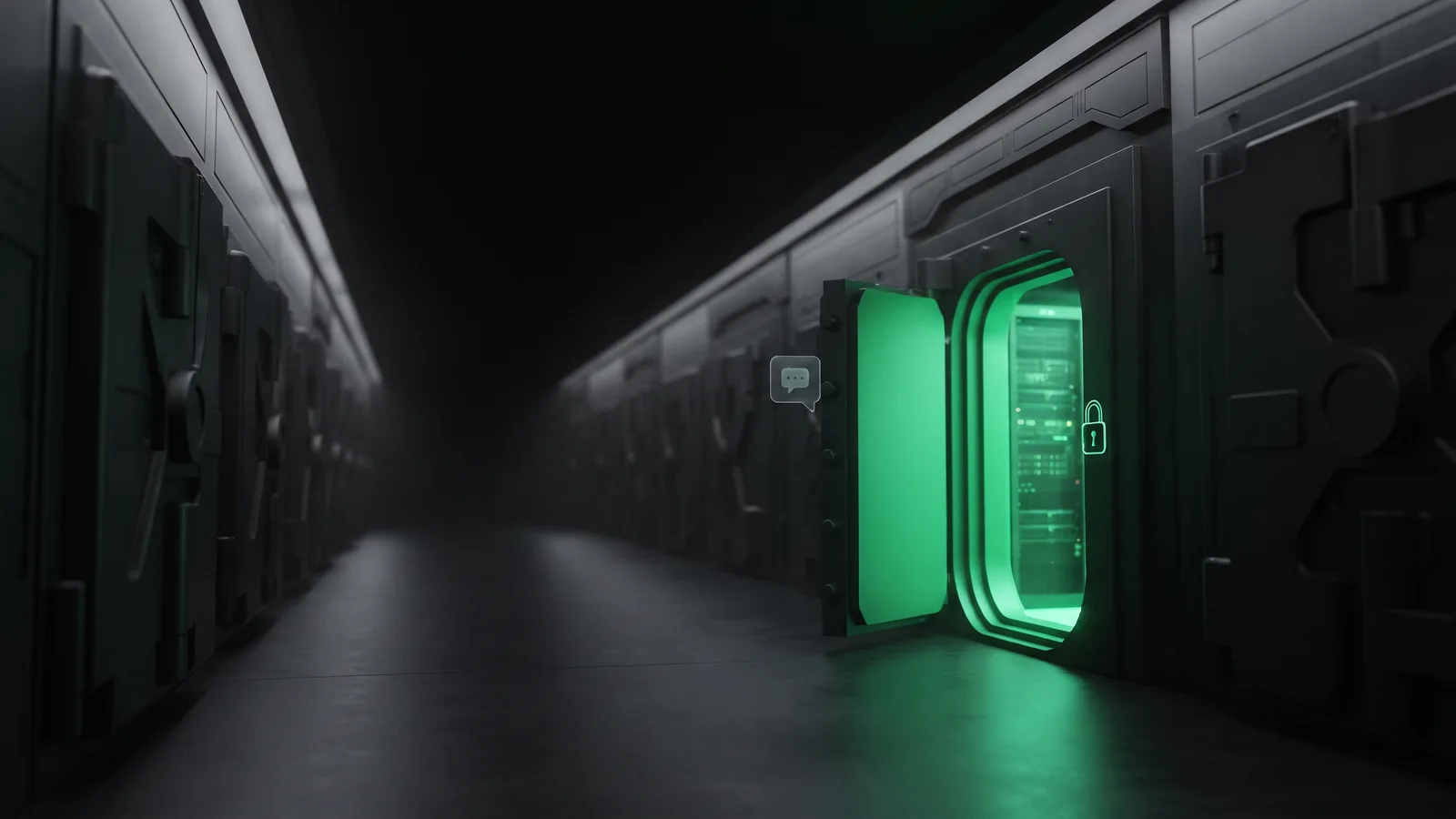
Meta shipped the product its CEO has pointed at for a year. On September 8, Meta launched Muse, a personal AI agent that runs on its own per-person virtual machine, connects to email, calendar, Instagram, Facebook and your finances, and does the job instead of answering questions about it. Zuckerberg told Alex Heath on the launch-day Sources podcast that Muse opens with up to 100 million tokens a week on the free tier, and that Meta plans to make money the way marketplaces do: a small cut of agent-mediated transactions plus a paid subscription for power users.
For anyone tracking what their AI stack costs a month, this is more than another consumer chatbot. Meta is not selling a bigger quota. It is giving away enough free tokens to run a working agent that shops, negotiates and cancels recurring charges, betting the margin sits in the purchases, not in the tokens you buy. That reframes what the subscriptions you already pay for are worth.
What Muse Actually Is
Muse is a consumer agent, not a model. It runs on a Muse Secure VM, a dedicated cloud computer per person that keeps the agent and its data in one contained space. A separate Sentinel agent sits at the system level, and nothing reaches the internet unless Sentinel approves it. Sensitive actions such as sending an email or making a purchase require your permission, and Muse keeps a full audit trail of what it plans and what it did.
Underneath it is Muse Spark, the same model family Meta sells on the developer API. Meta has wrapped it in an operating layer for errands: email management, travel and dinner bookings, budget tracking, flagging charges you forgot about, cancelling subscriptions you do not need, comparing prices and buying on your behalf with approval, even a fitness or savings plan. Payments run through Link built by Stripe with a one-time-use card so your real card never reaches a merchant, and Meta says Muse is the first agent covered by Link’s purchase protections.
The Part That Changes the Math: Free Tokens, Paid Upsells
The headline number for the TokenKarma reader is the token grant. Up to 100 million tokens a week on the free tier is a large customer-acquisition budget, and it is bigger than what most paid assistant subscriptions hand out when you account for their rolling short windows and shared usage pools. Meta is deliberately compressing the price of the “do my busywork” class of task to near zero while it works out where the real revenue lives.

But read that number the way a metering engineer would, not the way a press release does. A heavy user running long autonomous sessions can burn 100 million tokens well inside a week. The free tier is a generous allowance for an agent that mostly does light chores, not an open spigot. For coding, analysis and sustained agentic work you still want the model you pay for.
What Meta is really doing is splitting the market into two buckets. It keeps the cheap, high-volume errand layer for itself inside its walled apps at zero plus a transaction cut, and lets the rest of the industry fight over heavy, expert-grade compute. If Meta can make everyday agent tasks effectively free, the paid price of a general assistant has to justify itself on the hard problems a chores bot cannot touch.
Why a Single VM Agent Changes What You Pay For
Heavy users run more than one subscription because no single product covers everything: an expert coding tier for work, a cheaper assistant for everything else. Muse targets that second bucket. If it holds most of your email drafting, calendar, shopping, booking and subscription hygiene on a free grant with purchase rails and approvals, the marginal dollar you spend on a general assistant for those tasks gets harder to justify.
There is a genuine control upside in the same package. Muse tracks expenses, audits subscriptions, flags charges you forgot about and cancels what you do not need, always checking first. For someone carrying a $20 coding plan, a $100 to $200 heavy tier and SaaS renewals that auto-charge silently, an agent whose job is to police every recurring bill and act on approval is useful on its own. You are hiring a second set of eyes over the subscriptions that feed your current stack.

The catch is that the purchase rails are also a new fee surface. If Meta eventually takes a small cut of every agent-mediated purchase, the margin on your shopping moves from merchant to Meta, and the “free” agent is only free because the toll sits inside the transaction. Before you hand Muse your email and finances, be comfortable that the audit trail and approval gates are strong enough. Zuckerberg is explicit: the agent should make and save you money, and Meta takes a share of the flow.
The Playbook for Heavy Users
Treat Muse as a low-tier offload for the errand class of work, not as a reason to cancel the model you ship code with.
Separate the free grant from paid runs. The 100 million free tokens a week are a real subsidy, but they are sized for a personal assistant, not a long agentic run. If a single task drives long continuous sessions, run it on the tier you pay for.
Cap the agent before it caps you. Be surgical with send and purchase permissions. One-time-use cards and Sentinel-style gating only work if a purchase over a threshold always lands back in your inbox for a human yes. Keep a separate spending limit and review the activity log daily for the first weeks.
Audit the auditor. Muse will flag recurring charges and cancel what you do not need. Verify each suggestion before it fires; the subscription that is convenient to cancel because you forgot it is easy to lose if the agent’s notion of “not needed” is broader than yours. Keep your most valuable tools on a card the agent cannot touch.
Re-price your stack for two lanes. Once an errand bot is effectively free, the honest question is what each paid seat is really for. If a subscription carries real expert work, keep it and measure cost per completed task. If a seat is mostly doing the chores Muse now handles on its own VM, it is the cheapest one to drop the day the free tier proves reliable for you.
The launch-day free grant will not last forever. Meta is spending compute to win the habit, exactly as it did with Messenger and WhatsApp before turning on monetization. Budget on the assumption that the eventual model is a transaction toll plus a paid power tier, because that is the model Zuckerberg described. Plan your agent usage on behaviors you can keep at a price you can predict, and the launch-week giveaway stops reading like a deal and starts reading like where agent economics are heading.
Now available
Stop guessing your AI limits
The Mac app and web dashboard watch your Claude, ChatGPT, Gemini and more, and warn you before quotas hit.