Run DeepSeek Locally on B200: The $60 Kit That Kills Per-Token Pricing
Run DeepSeek V4 Flash locally on 4x B200 with a one-time $60 optimization kit: 2.98x faster latency, 363 tokens/s, and the end of per-token API pricing for heavy users.
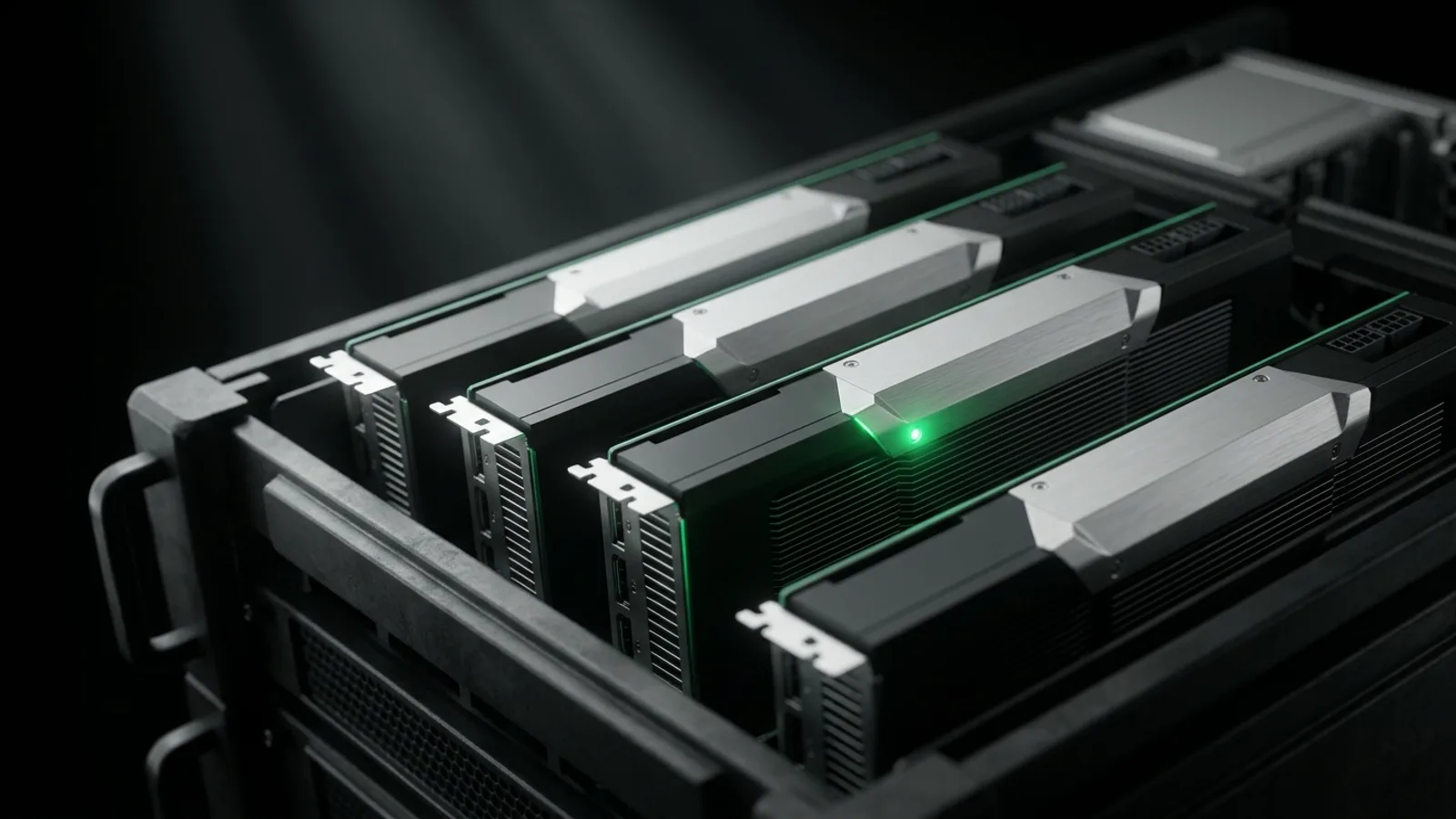
When you run DeepSeek locally, the entire per-token meter disappears. On August 3, 2026, inference shop RunInfra AI shipped an optimization kit for DeepSeek-V4-Flash-0731 that makes this far more practical: a tuned configuration that runs the model 2.98x faster on a 4x B200 setup, at a one-time cost of $60, with no recurring per-token fee. For heavy AI users paying hundreds of dollars a month in API charges, this is the clearest case yet for moving your highest-volume DeepSeek workloads onto hardware you control.
The optimization is specific, measurable, and lossless. On baseline vLLM serving, the DeepSeek V4 Flash config returned a median latency of 9,248 milliseconds and 113 tokens per second. With the kit applied, median latency drops to 3,095 milliseconds and throughput climbs to 363 tokens per second, a 3.2x throughput gain. Because the optimization is lossless by construction, output parity holds: you are not trading quality or determinism for speed, which matters for agentic coding where a silent model drift can corrupt a long task.
Why run DeepSeek locally changes your cost math
The default alternative to self-hosting is the DeepSeek API, where DeepSeek V4 Flash is already cheap by frontier standards. But cheap per token is still per token. An agentic coding workload that burns through a few million output tokens a day stacks up fast, and the recent agentic output pricing moves across every major provider have put a spotlight on exactly how expensive the output half of the bill is. When you run the model on your own hardware, that recurring line item becomes a one-time capital cost plus electricity.
The numbers get interesting once you compare against what you currently pay. A heavy user routing most of their agent tasks through a hosted API can spend $2,000 to $6,000 a year just on output. The $60 kit is effectively free next to that, and the underlying B200 hardware, while expensive upfront, can be rented by the hour on GPU providers rather than purchased. The break-even point on a self-hosted V4 Flash deployment is fast enough that you should model it explicitly rather than assume the API is always cheaper.
This is the exact scenario where the paid subscription and per-token models break down. A self-hosted stack has no rate limit ceiling, no quota reset, and no surprise overage invoice. The moment the hardware is up, throughput is bounded only by your GPUs and your serving configuration, not by a provider policy you cannot see.
What the 4x B200 configuration requires
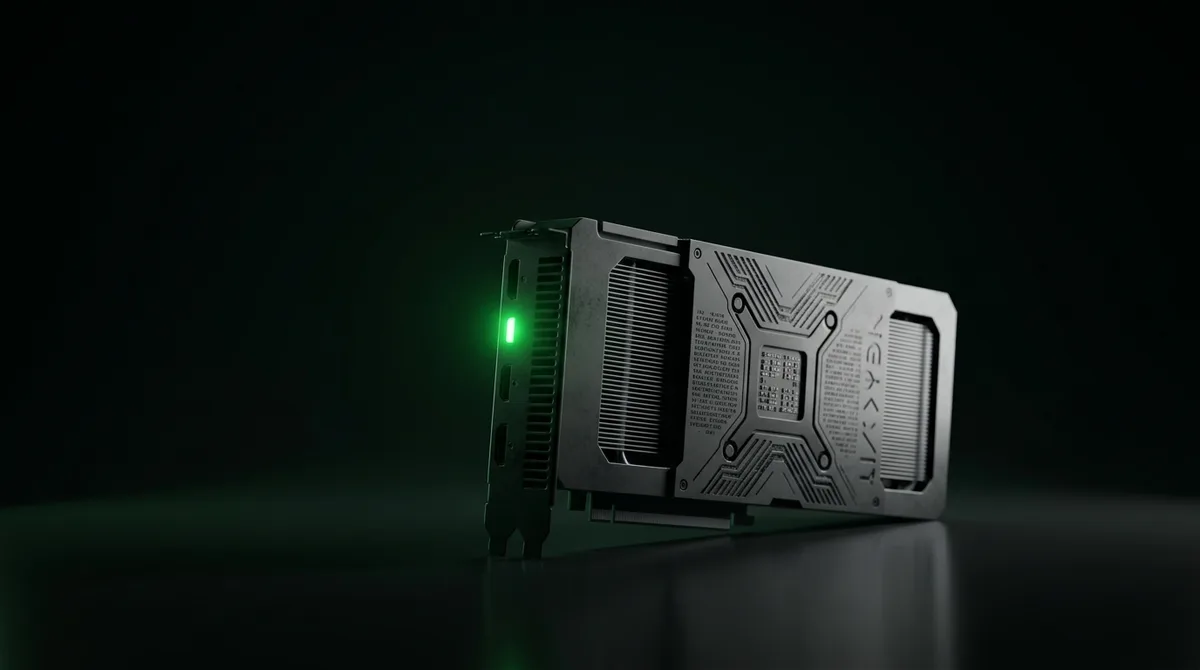
The kit is tuned for vLLM 0.25.0 on a 4x B200 node. That is a substantive hardware target, not a consumer laptop. B200 accelerators are datacenter-class parts, so this is aimed at users who already have cloud GPU access, a rented node, or an internal rack rather than a home machine. If you are evaluating whether this fits your stack, the honest answer is that the model is large and the serving rig reflects that.
You deploy it on any GPU provider or on your own machines. The kit ships with a full benchmark receipt, so you can reproduce the latency and throughput claims before you trust them for production traffic. That is a meaningful improvement over the typical “just run it and see” local setup, because you get a verified baseline for what the tuned stack should deliver.
The one-time $60 buys the configuration and the recipe, not a subscription. There are no monthly fees, no deprecations that force a migration, and no silent model swaps. You pin a specific model version and keep running it as long as it suits your workloads. For teams that have been burned by a provider dropping or swapping a model underneath an agent pipeline, this stability is part of the value.
The real trade-off is operational, not financial
The catch with running DeepSeek locally is the same one every self-hosting guide glosses over: you own the operations. You handle the serving stack, the GPU utilization, the failure recovery, and the security patching. Providers bundle that uptime and that operational burden into their token price. When you self-host, those costs move onto your plate, and they are real even if they are not billed as a line item.
So the decision is a scoping exercise more than a pure price comparison. For a steady, high-volume workload with a predictable shape, self-hosting V4 Flash on rented B200s is compelling and the $60 kit removes the tuning risk. For bursty, unpredictable traffic with hard uptime requirements, the API’s managed reliability may still win even after accounting for per-token cost. The right answer depends on your task mix, your tolerance for running inference infrastructure, and how much of your spend is concentrated in the output tokens.
Heavy users should treat this as a load-shifting opportunity. Keep the API for low-volume, latency-sensitive, or bursty requests where the managed guarantee is worth the per-token premium. Route the steady, token-hungry agent loops to your own B200 stack where the marginal cost approaches the electricity and depreciation. Run the numbers on your actual monthly token split, and the $60 kit is cheap enough to validate the whole thesis before you commit to any hardware purchase.
What this signals about the AI pricing race
The bigger story is structural. A one-time $60 kit that makes an open-weight frontier model run efficiently on rented hardware is a direct challenge to the per-token pricing model that every major cloud lab depends on. DeepSeek has the cheapest hosted API in the frontier class already, and now the same model family can be pulled entirely off the meter. That compresses the pricing race on two sides at once: hosted prices keep falling, and the self-hosted alternative keeps getting easier and cheaper to run.
For heavy AI users, that is the direction you want the market to go. Every additional optimization kit, every cheaper open-weight release, and every improvement in vLLM and SGLang serving stacks narrows the gap between what you pay per token and what the compute actually costs. The $60 kit from RunInfra AI is a small but concrete step in that direction, and it is worth testing against your own DeepSeek workloads this month to see how much of your bill you can move off the meter.
The practical recommendation is simple. Download the kit, benchmark it against your own longest-running DeepSeek tasks on a rented B200 node, and compare the marginal cost per completed task against your current API bill. For most heavy users the output-heavy agent workloads will show the clearest savings. Run the model locally where the volume is steady, keep the API where the reliability guarantee matters, and let the two sides compete for your spend.
Now available
Stop guessing your AI limits
The Mac app and web dashboard watch your Claude, ChatGPT, Gemini and more, and warn you before quotas hit.