Karpathy Joins Anthropic: What This Means for Claude API Pricing and Performance
OpenAI co-founder Andrej Karpathy joins Anthropic's pre-training team. Here's how this talent move could reshape Claude API pricing and capabilities for heavy AI users.
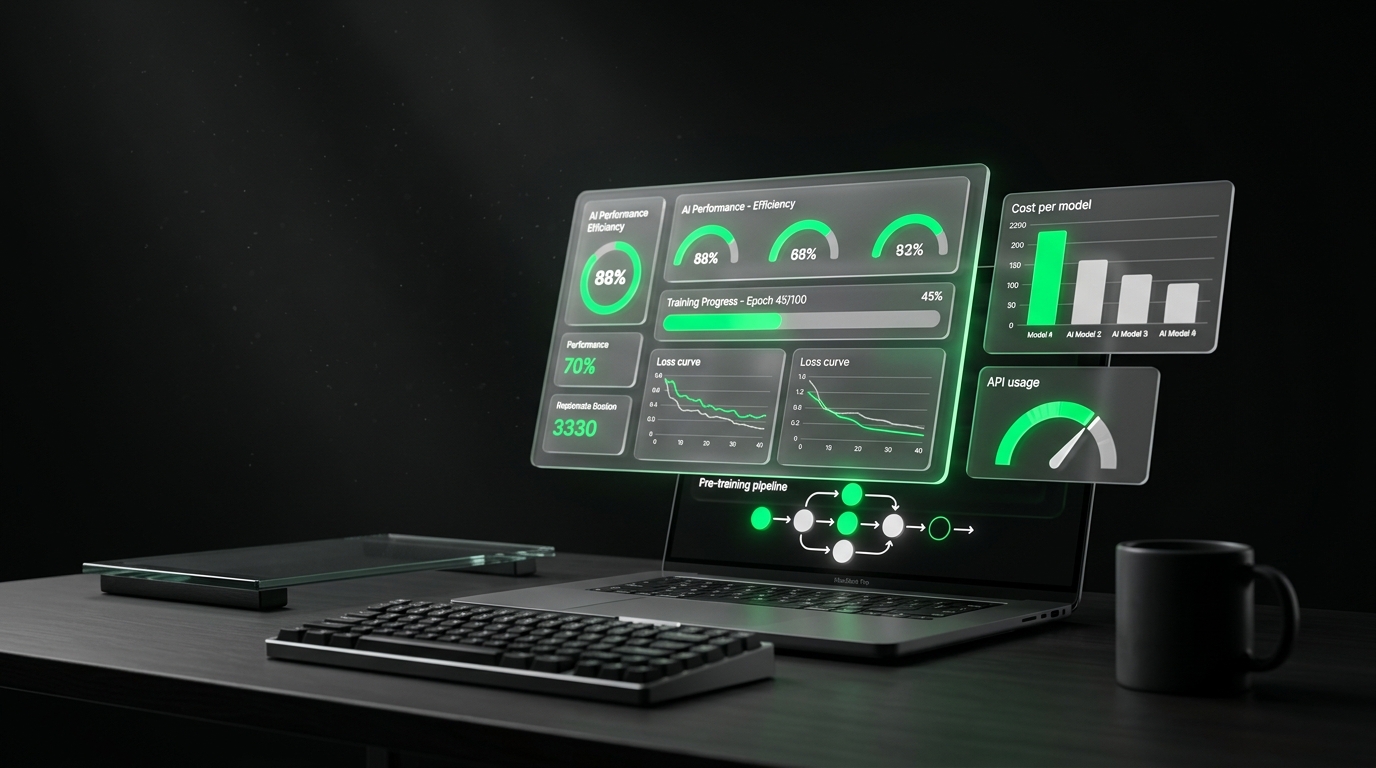
The AI world just got a major shakeup. Andrej Karpathy, the legendary co-founder of OpenAI and former director of AI at Tesla, has joined Anthropic’s pre-training team. For TokenKarma users spending hundreds or thousands monthly on AI APIs, this isn’t just industry gossip – it’s a move that could directly impact your Claude API costs and the performance you’re getting for your money.
What Pre-Training Actually Means for Your Bills
Pre-training is where the magic (and the massive costs) happen. It’s the phase where models learn their fundamental capabilities through massive training runs that cost millions in compute. At Anthropic, this team is responsible for giving Claude its core knowledge and reasoning abilities – the stuff that determines whether you’re getting good value from your API calls.
Karpathy’s arrival signals Anthropic is doubling down on training efficiency. His track record suggests they’re aiming to squeeze more capability per training dollar, which historically translates to better performance at lower API prices for end users.
The Talent War’s Real Impact on Claude API Pricing
This hire isn’t happening in a vacuum. The AI talent war has reached fever pitch, with top researchers commanding multi-million dollar packages. But here’s what matters for heavy users: companies that win the efficiency game can afford to price more aggressively.
Karpathy built his reputation on making neural networks more efficient – from his groundbreaking ImageNet work to optimizing Tesla’s autonomous driving systems. At OpenAI, he was instrumental in developing the training approaches that made GPT models both powerful and (relatively) cost-effective to run.
His move to Anthropic suggests they’re preparing for the next phase of competition, where winning means delivering better performance per dollar to API users like you.
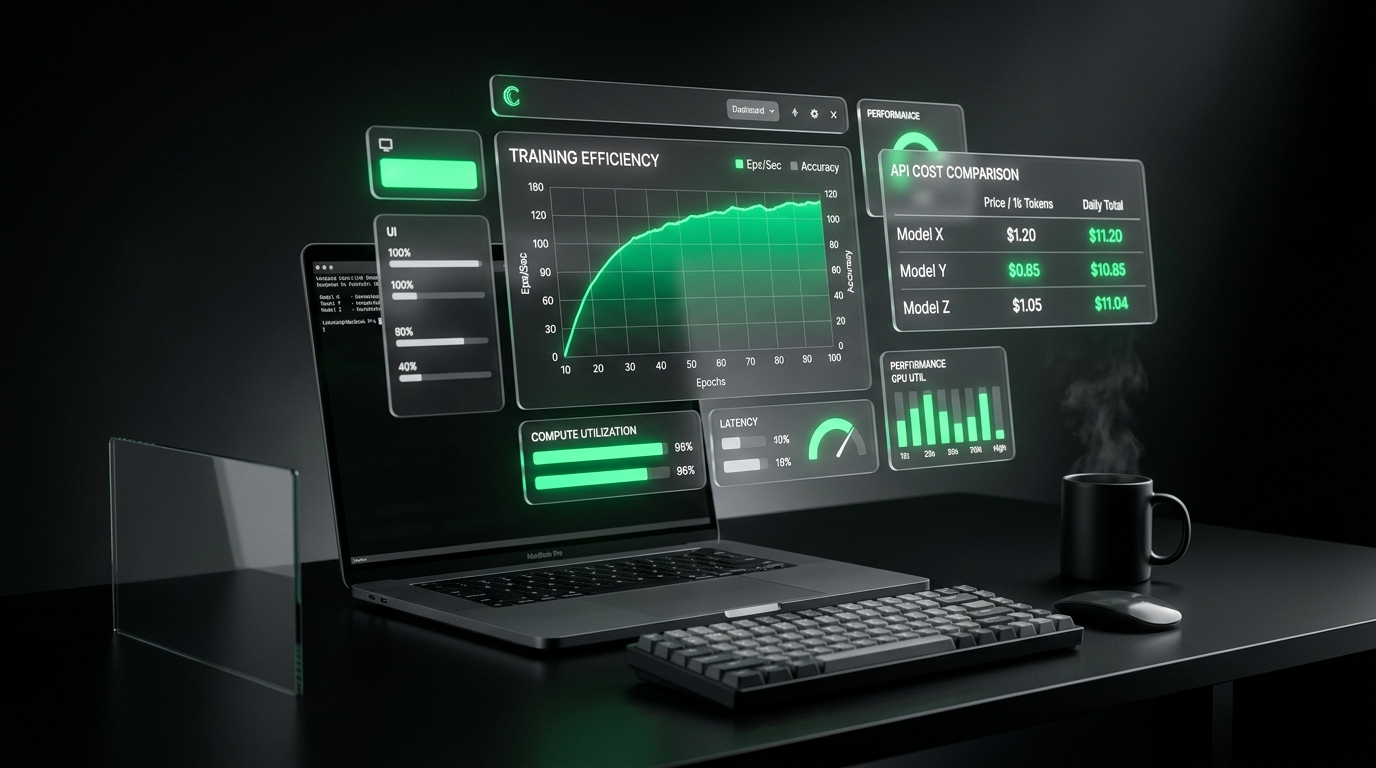
What This Could Mean for Your AI Spending
Based on historical patterns when top talent moves between AI companies, here are three scenarios to watch:
Scenario 1: Training Efficiency Gains Lead to Price Cuts
If Karpathy’s expertise helps Anthropic train more efficient models, we could see Claude API pricing become more competitive with OpenAI. This has happened before – remember when GPT-3.5-turbo pricing dropped 90% as OpenAI optimized their training and inference?
Scenario 2: Better Performance at Current Prices
Instead of cutting prices, Anthropic might deliver significantly better Claude performance at current API rates. For heavy users, this means higher success rates, fewer retries, and better output quality – effectively reducing your cost per useful response.
Scenario 3: Premium Tier with Advanced Capabilities
Karpathy’s background in multimodal AI (vision + text) suggests we might see Claude capabilities that justify premium pricing tiers, similar to GPT-4V’s introduction.
The Pre-Training Team’s Growing Influence
Anthropic’s pre-training team, which Karpathy is joining, has been making waves with their constitutional AI approach – training models to be helpful, harmless, and honest without extensive human feedback. This approach has proven both more cost-effective and more scalable than traditional RLHF methods.
With Karpathy’s deep learning optimization expertise, expect this team to push even harder on training efficiency. For context, reducing training costs by 50% could theoretically allow for 50% lower API pricing while maintaining the same profit margins.
What Heavy Users Should Watch For
Keep an eye on these indicators of how Karpathy’s hire might affect your AI costs:
Training Infrastructure Updates: Anthropic announcements about new training clusters or partnerships with cloud providers often precede pricing changes.
Model Performance Benchmarks: If Claude starts consistently outperforming GPT-4 on key benchmarks, it signals improved training efficiency that could translate to better value.
API Feature Rollouts: New capabilities like improved multimodal processing or longer context windows often come with revised pricing structures.
The Broader Market Implications
This move reflects a broader shift in the AI market. As models approach certain performance ceilings, the competitive advantage increasingly comes from training efficiency rather than just scale. Companies that can train better models for less money can price more aggressively and win enterprise customers.
For heavy AI users, this is good news. The talent war might drive up researcher salaries, but it also drives down the cost of AI capabilities as companies compete on efficiency.

Karpathy’s track record suggests Anthropic is positioning for a major efficiency breakthrough. Whether that translates to lower Claude API pricing, better performance at current rates, or both remains to be seen. But one thing is clear: the training efficiency wars just heated up significantly.
What to Do Now
If you’re a heavy Claude API user, consider:
- Monitor your current usage patterns – document your average cost per task to benchmark against future changes
- Test Claude’s current capabilities against your specific use cases to establish a baseline
- Stay flexible with your AI provider mix, as competitive dynamics could shift quickly
The AI landscape is evolving rapidly, and moves like this remind us that the companies optimizing for training efficiency today will likely offer the best value tomorrow. Karpathy’s move to Anthropic suggests they’re serious about winning that race.
For more insights on AI cost optimization and the latest pricing changes affecting heavy users, explore our other articles or track your spending with TokenKarma.
Now available
Stop guessing your AI limits
The Mac app and web dashboard watch your Claude, ChatGPT, Gemini and more, and warn you before quotas hit.