GPT-5.5 Reliability Issues: What Heavy AI Users Need to Know
OpenAI's GPT-5.5 faces multiple reliability issues. What this means for professionals spending $300+/month on AI services.
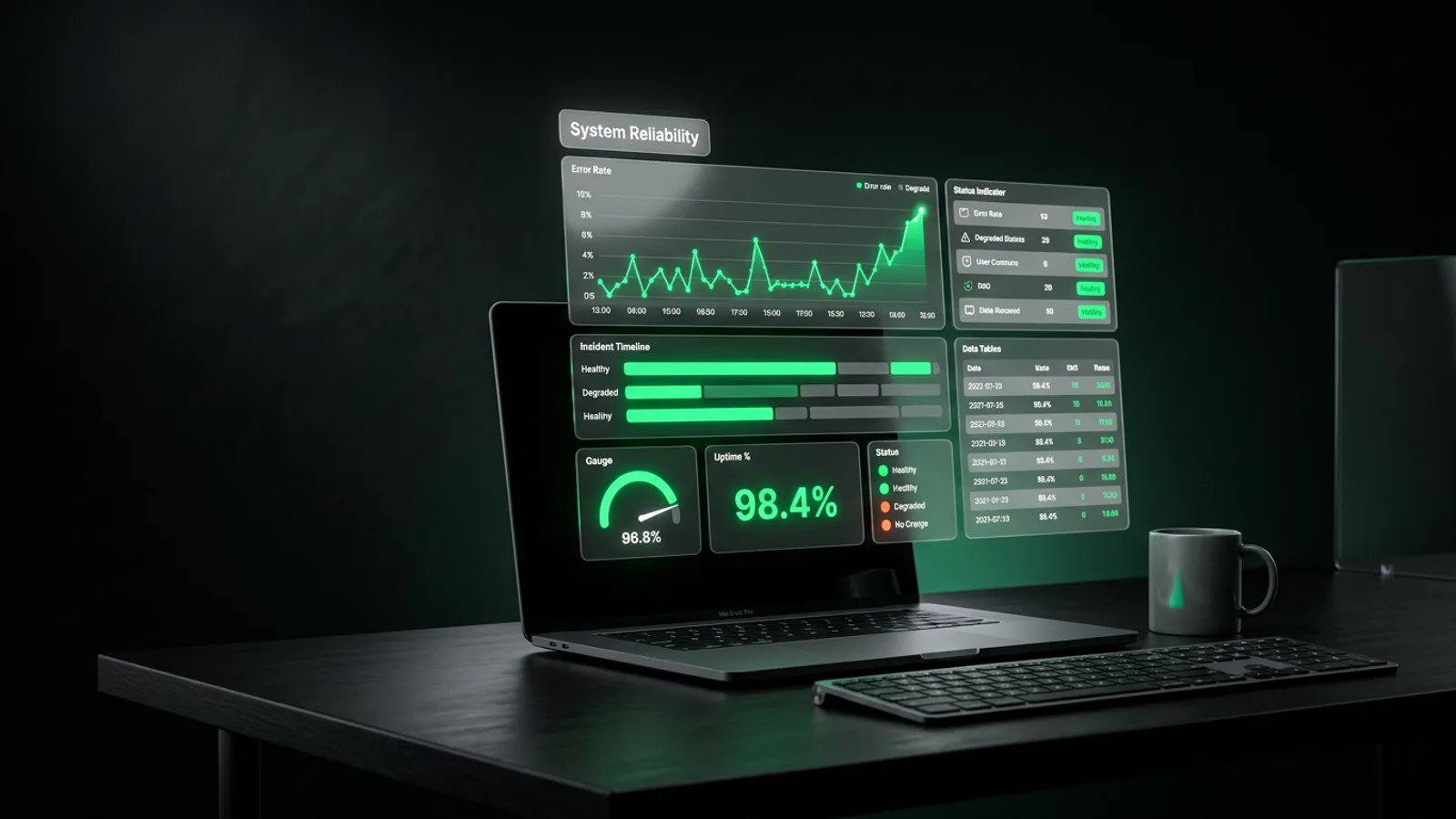
OpenAI’s latest flagship model GPT-5.5 has been experiencing significant reliability issues since its apparent release. Based on OpenAI’s status page, the model has faced at least five separate performance degradation incidents in the past week alone, with the most recent issue resolved just hours ago on May 17th.
For professionals and businesses spending $300+ monthly on AI services, these reliability problems raise serious concerns about service stability and cost efficiency.
The Pattern of Problems
The incident timeline paints a concerning picture:
- May 15, 16:11 UTC: “GPT5.5 Performance Degradation” begins
- May 16, 00:35 UTC: Issue moved to monitoring status
- May 17, 00:15 UTC: Finally resolved (38+ hours total)
This follows a series of other GPT-5.5 related incidents:
- “Codex 5.5 engines experiencing high error rate” (May 13)
- “Elevated error rates with GPT 5.5” (May 11)
- “Increased Error Rate for gpt-5.5 model in the API” (May 8)
- “Elevated errors on model gpt-5.5 in codex” (April 24)
What This Means for Heavy AI Users
If you’re paying serious money for AI access, these incidents highlight three critical issues:
1. New Model Instability Tax
Early adoption of cutting-edge models comes with a hidden cost: unreliable service during critical work periods. The 38-hour degradation period means nearly two full business days of potentially compromised performance.
For teams relying on AI for daily operations, this translates to:
- Delayed project deliverables
- Inconsistent output quality
- Wasted API credits on poor responses
- Need for fallback model strategies
2. API Quota Waste
During performance degradation, you’re still being charged for every API call, even if the responses are subpar. Unlike traditional software where poor performance is immediately obvious, AI model degradation can be subtle, leading to:
- Paying for lower-quality completions
- Re-running requests due to poor initial results
- Burning through expensive tier quotas on degraded responses
3. Enterprise Reliability Concerns
The frequency of GPT-5.5 issues (five incidents in three weeks) suggests this isn’t just typical new model growing pains. For enterprise users paying for ChatGPT Team ($30/user/month) or Enterprise ($60/user/month), this level of instability undermines the premium pricing.
Strategic Recommendations
Multi-Model Redundancy
Don’t put all your AI eggs in one basket. Maintain active subscriptions to:
- Anthropic Claude (Sonnet/Opus)
- Google Gemini Pro
- Multiple OpenAI model tiers (GPT-4o as fallback)
The cost of redundancy is often less than the cost of downtime.
Monitor Model Performance
Track your AI usage patterns and costs more closely:
- Set up alerts for unusual response patterns
- Monitor token usage during incident periods
- Track cost per successful completion, not just raw API calls
Tier Strategy
Consider using lower-tier models for non-critical tasks during new model launch periods. GPT-4o and Claude Sonnet may be more reliable options while GPT-5.5 stabilizes.
Contract Terms
If you’re an enterprise customer, push for:
- SLA credits for extended degradation periods
- Early access to model health metrics
- Dedicated support channels during incidents
The Bigger Picture
These reliability issues reflect a broader challenge in the AI industry: the tension between pushing cutting-edge capabilities and maintaining production-ready stability. OpenAI appears to be prioritizing feature advancement over operational excellence.
For heavy AI users, this means treating the latest models as beta software, regardless of pricing. Budget for redundancy, monitor performance actively, and don’t assume that paying premium prices guarantees premium reliability.
Looking Forward
While GPT-5.5’s capabilities are likely impressive when working correctly, the pattern of reliability issues suggests OpenAI is still working out significant stability problems. Heavy users should plan accordingly:
- Budget 10-15% extra for redundant model access
- Implement automatic failover to stable models
- Track reliability metrics alongside cost metrics
- Consider delaying migration to new models until stability improves
The AI landscape moves fast, but reliability should move faster. Until that happens, redundancy isn’t optional for mission-critical AI workflows.
TokenKarma tracks AI pricing, quotas, and reliability issues to help heavy users optimize their AI spending. Follow us for updates on model reliability and cost optimization strategies.
Now available
Stop guessing your AI limits
The Mac app and web dashboard watch your Claude, ChatGPT, Gemini and more, and warn you before quotas hit.